Pest control
Fungus Gnats: The BTI Stack That Actually Ends Them (and Why Neem Fails)
8 min readPublished 2026-10-25Updated 2026-10-25
Fungus gnats die to a three-part stack: BTI (Bacillus thuringiensis israelensis) in every watering can for three to four weeks, yellow sticky traps to break the adult egg-laying cycle, and a dry top layer — sand or gravel — so females have nowhere to lay. Neem sprays, cinnamon and peroxide drenches keep failing in the same way: they treat the surface of the problem while the larvae, 5 mm below the soil, keep eating your roots.
The reason this pest drives people to "driving me crazy" threads is the lifecycle. Adult gnats live about a week and lay up to 200 eggs in the top 2–3 cm of moist soil. Those eggs hatch into translucent larvae that feed on fungi and root hairs for two weeks — that is the stage damaging seedlings and stressed plants — then pupate and fly. Any treatment that only kills adults leaves 200 eggs per surviving female behind. Any treatment that only hits the soil surface misses where the larvae actually are. You have to interrupt the cycle at both ends, for longer than one generation, or it restarts.
The stack, part by part
- 01BTI in every watering. BTI is a soil bacterium toxic only to fly larvae — mosquitoes and fungus gnats — and harmless to plants, pets, worms and you. Sprinkle granules (the "mosquito bits" format) on the soil, or steep a tablespoon per litre in your watering can for 30 minutes and water as normal. Every watering, every plant, no exceptions: one untreated pot is a gnat nursery re-seeding the flat.
- 02Sticky traps from day one. Yellow sticky stakes catch the hatching adults and, just as usefully, tell you when the population is actually declining. Trap counts are your progress bar — replace them when full, do not judge by fly sightings alone.
- 03A dry top layer. After the first BTI watering cycle, top-dress pots with 1–2 cm of sand, fine gravel or DE-grade grit. Fungus gnat females need moist, fungus-rich soil to lay; a dry mineral cap is a closed door. It also stops the "where are they coming from?" re-infestations from open potting-mix bags.
- 04Change the watering habit. Gnats exist because topsoil stays wet. Water from below into a reservoir tray so the top 3 cm dries between drinks, and let pots dry to the first knuckle on top. This alone often drops gnat numbers within a fortnight.
The gnat defense shelf
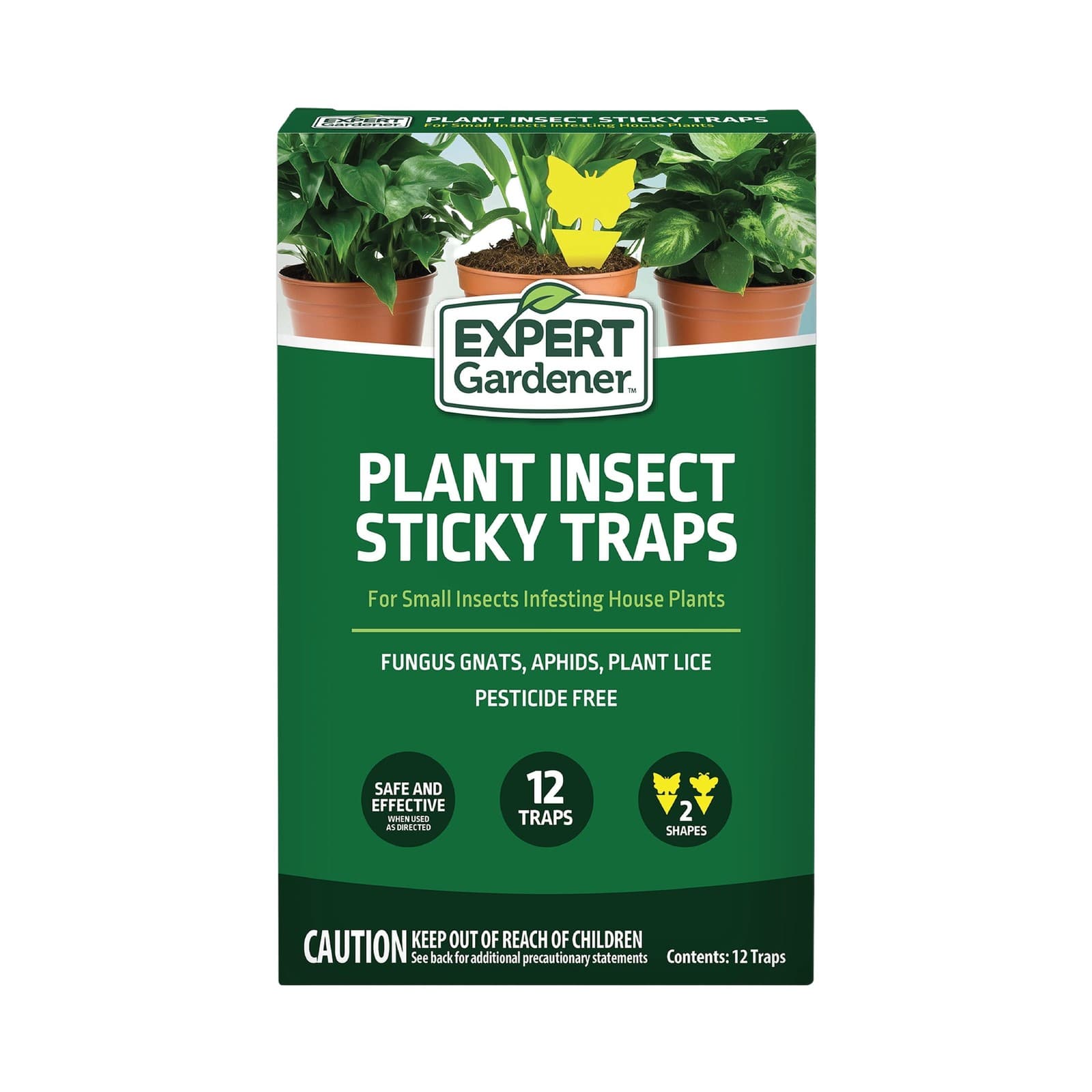
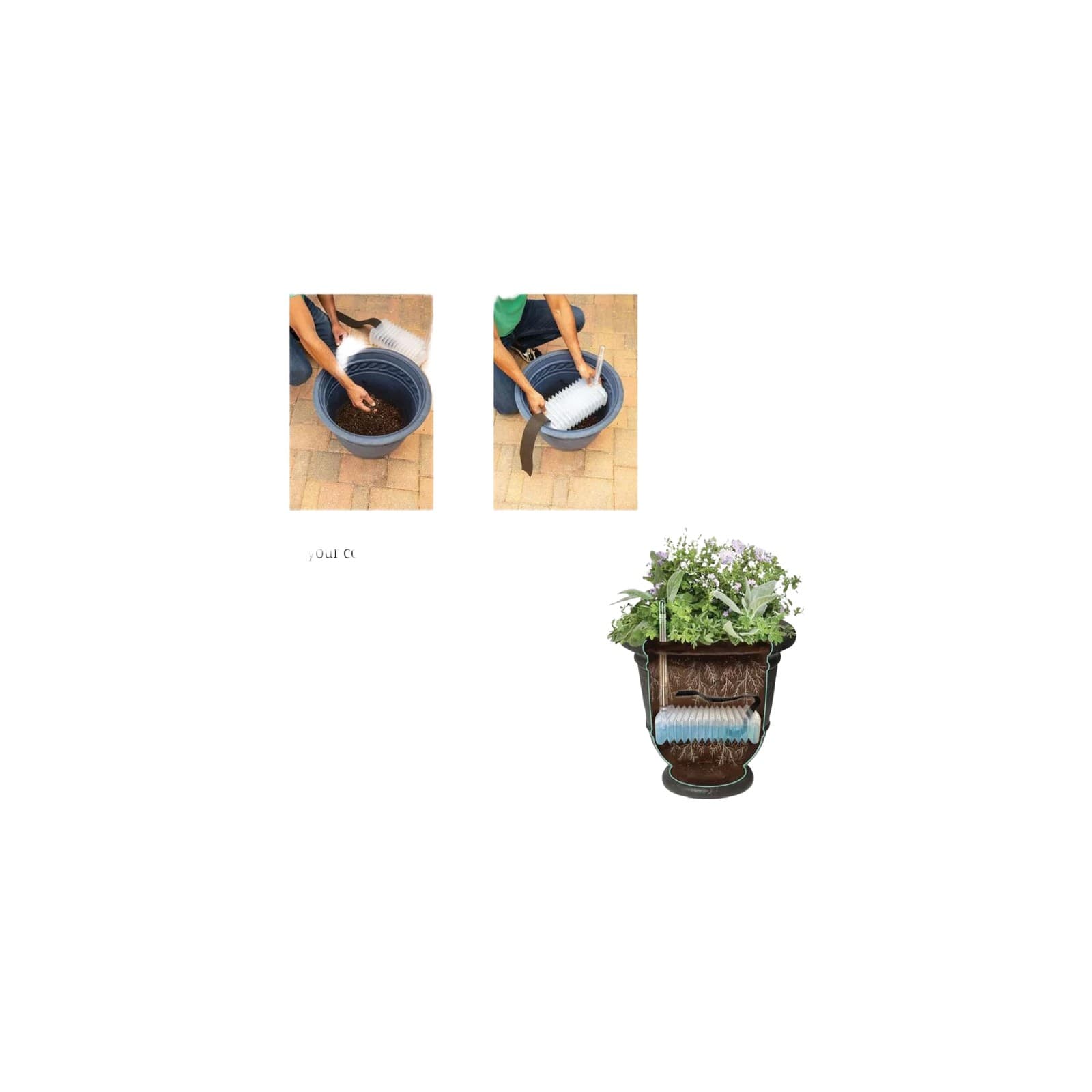
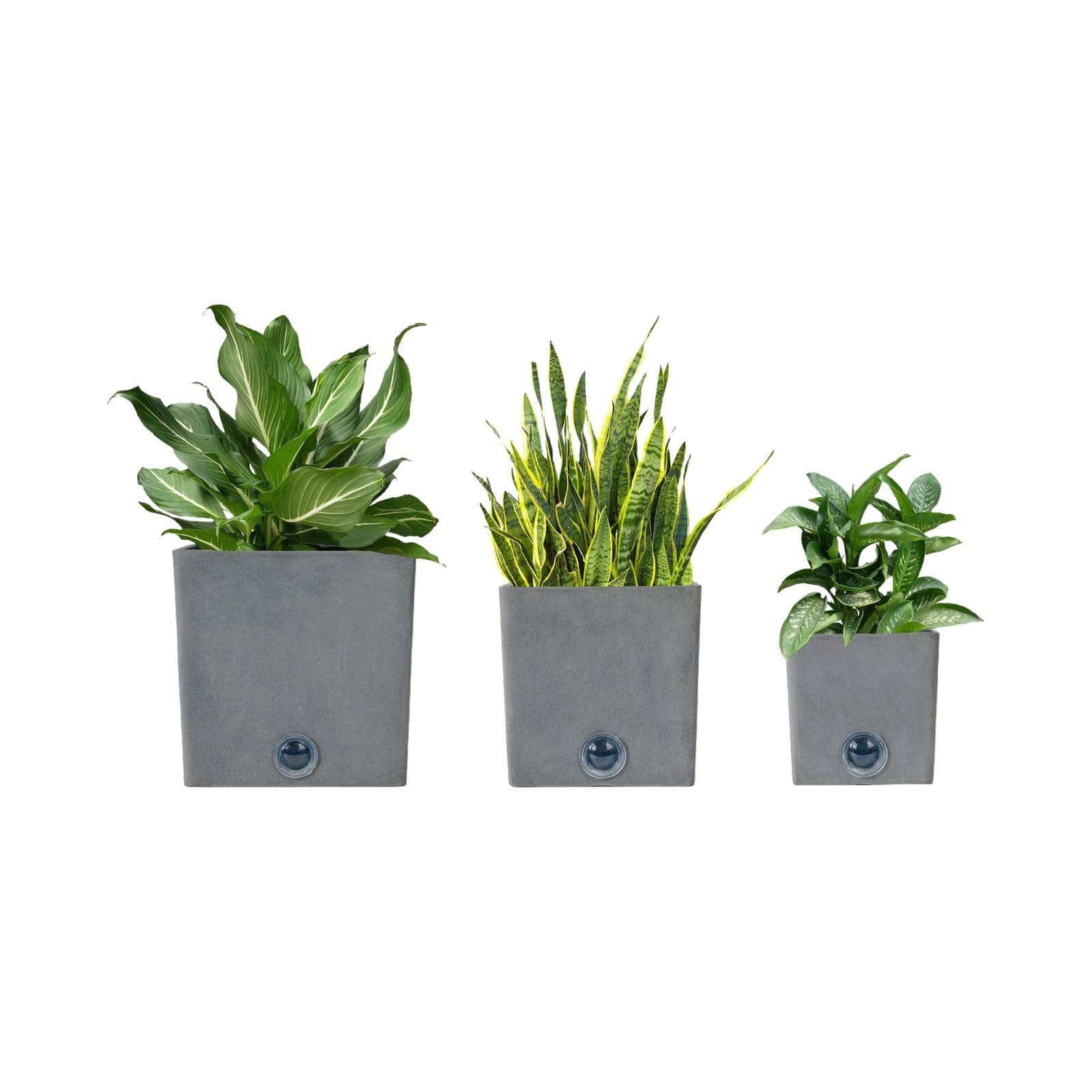
What does not work, and why
- Neem spray: a decent leaf-shine and broad soft-body insecticide, near-useless against larvae inside soil. The "neem did nothing" reports are accurate — it was never reaching the pest.
- Cinnamon: mild anti-fungal at best. It can slow the fungus the larvae feed on, but in practice it cannot keep topsoil dry, and damp cinnamon is itself a growth medium.
- Hydrogen peroxide drench: kills larvae on contact — once. Eggs and pupae survive, and the soil is re-colonised within two weeks. Fine as a first strike; worthless as a strategy.
- Diatomaceous earth: works only bone-dry. In a damp pot — which is the condition that caused the gnats — it clumps and deactivates within days.
- Repotting alone: moves larvae into fresh soil with the adults already flying in your room. Repot as a last resort for root-damaged plants, and BTI-water the new pot immediately.
The timeline, honestly stated
Egg to adult takes three to four weeks at room temperature, so the stack needs the same runway. Week one: BTI water everything, traps up, top-dress. Week two: adult counts on traps keep rising — that is the existing pupae emerging, not failure. Week three: trap counts fall hard. Week four: near-zero; keep BTI in one more watering cycle. People who quit in week two quit right before it works, which is the most common post-mortem in the gnat threads.
Where they actually came from
Diagnosing the source prevents the re-run. New potting mix is the number one carrier — eggs ride in the bag, which is why unsealed bags in humid rooms produce gnats months later. Every new shop plant carries soil, and therefore eggs; the two-week quarantine watering rule exists for this. Overwatering is the third source, or more precisely the enabler: no eggs hatch in dry soil, so every gnat population traces back to a pot whose top layer never dries. Outdoor compost bins and drain flies get blamed in the threads, but both are rarely the answer for an indoor outbreak — fungus gnats are weak fliers, and an indoor infestation is almost always an indoor nursery.
Seedlings and propagation: the special case
Seedlings and cuttings are where gnats do real damage, because larvae graze on the fine root hairs young plants depend on, and a damp propagation tray is their ideal nursery. For anything young: start in a sterile, soil-less medium (coir, perlite) rather than potting mix; water from below only; and run BTI in the tray water from day one as a prophylactic. A sticky trap planted in the propagation tray is the early-warning system — adults find a tray of constantly moist medium within days, and the trap count tells you before the seedlings collapse. Bottom-watering reservoir trays earn their keep here twice over: the top surface stays dry, and the seedlings draw exactly what they need from below.
Prevention: the structural fix
Gnats are a wet-topsoil disease, so the permanent cure is architecture, not vigilance. Bottom-watering reservoir trays keep the surface dry while roots drink from below — the same reason self-watering pots get credited in gnat threads for "the top layer stays dry, plants exploded". Store potting mix sealed; decant what you need rather than leaving the bag open. Quarantine and BTI-water every new plant for its first two weeks — new plants from any shop arrive with eggs in the mix more often than not. And water on a schedule keyed to actual dryness (finger, or a cheap moisture meter) rather than a calendar, because the calendar is how topsoil stays permanently damp.
Buying soil that starts clean
Since the bag is the reservoir of re-infestation, buy like it matters. Sealed, good-quality mix from a fast-turning shop shelf carries fewer eggs than an open bin bag that wintered in a humid cellar — eggs need moisture and are viable for months. Decant into a sealed tub and leave the bag rolled and clipped. For seed-starting and propagation, skip potting mix entirely and use sterile coir or perlite, which hatch nothing and drain fast. And sterilising home-made compost for indoor pots is a hobby project with poor returns; compost belongs outside, where the larvae have predators and the adult gnats have somewhere better to be.
Run the full stack for four weeks and fungus gnats do not come back, because the lifecycle is genuinely easy to break — it just breaks at three points at once, not one. BTI does the larvae, traps do the adults, the dry cap closes the nursery. That is the whole war.