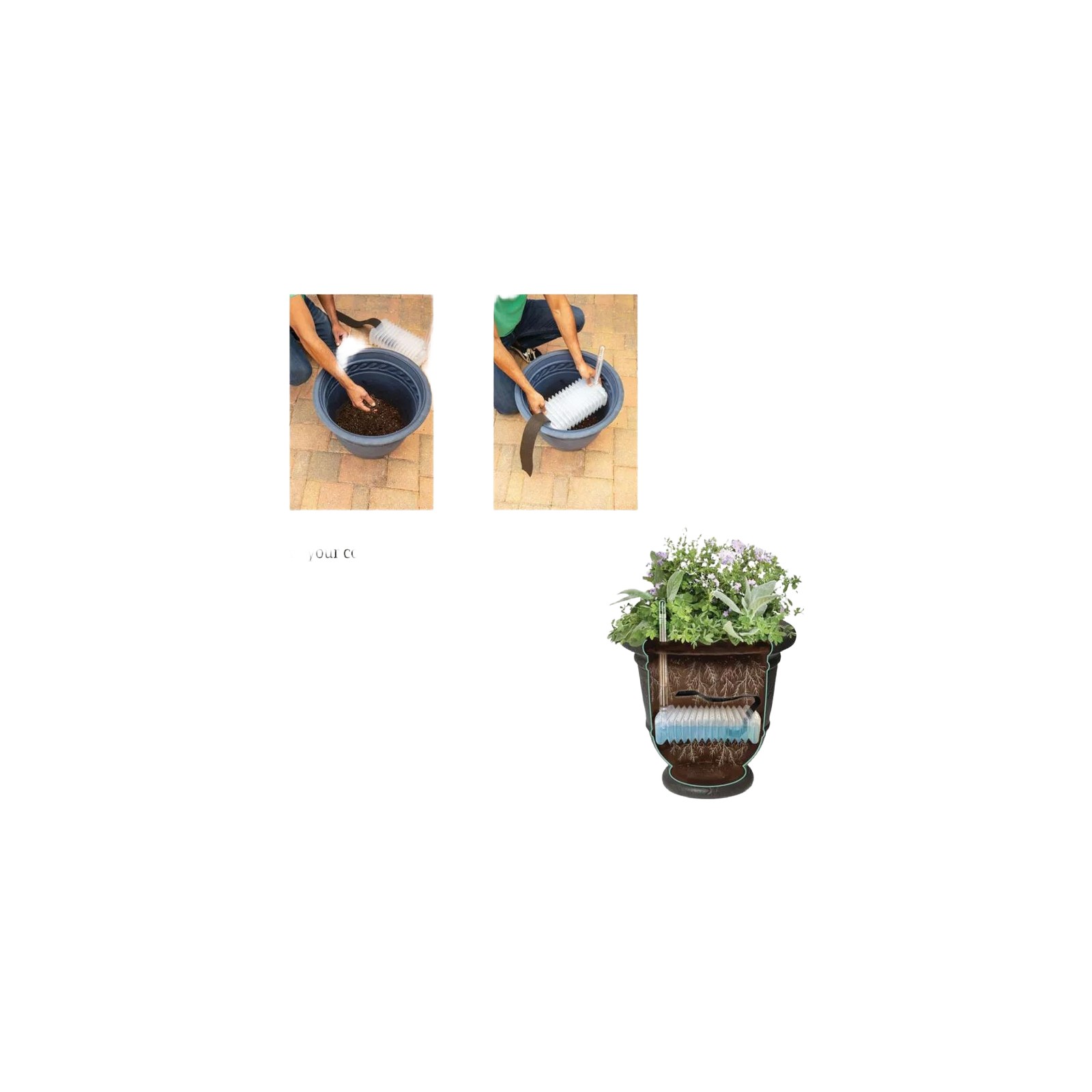
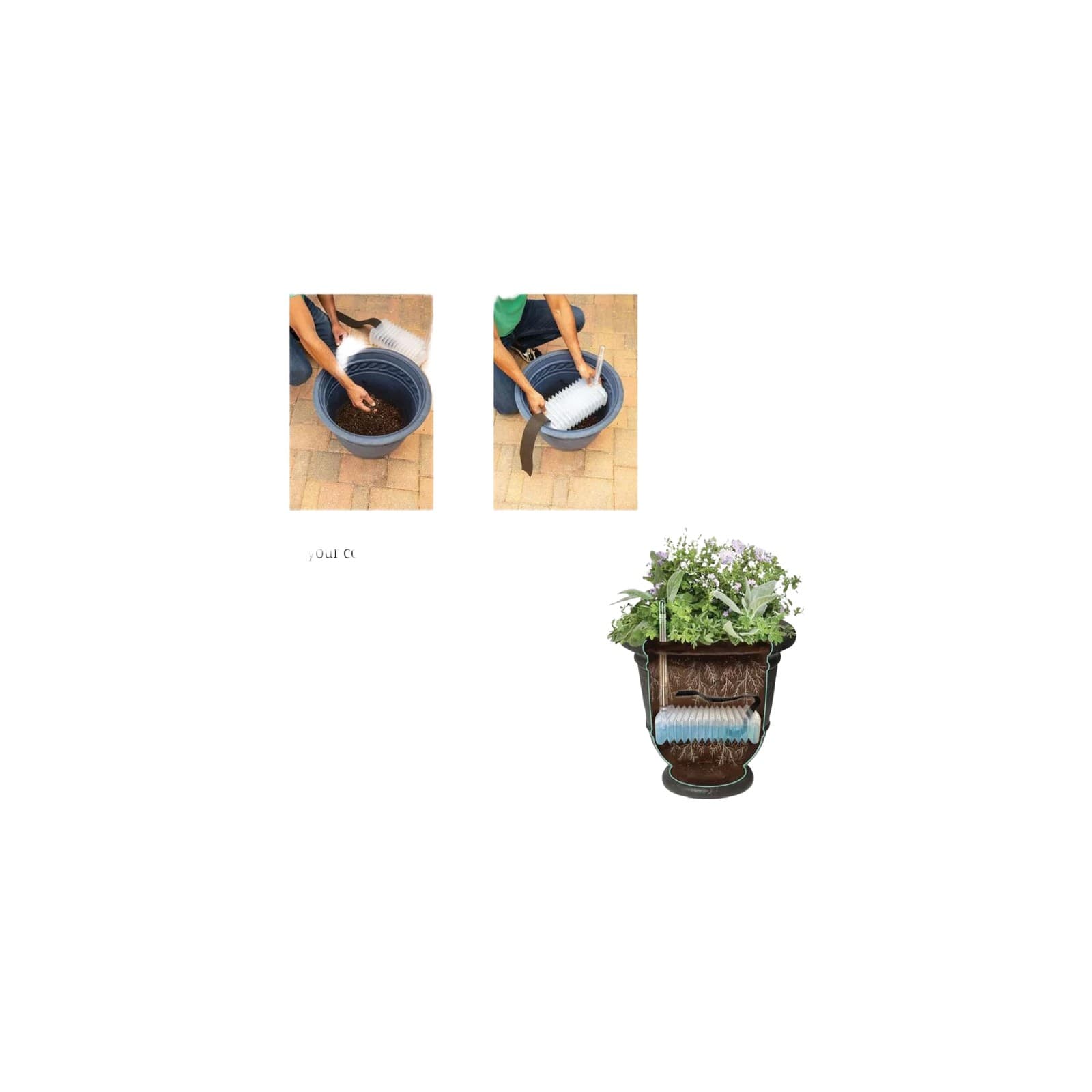
Bottom-Watering Reservoir Trays (3-Pack)
Water from below. Fix rot and gnats at the same time.
Ships worldwide · $6.95 flat, free over $60. Dispatch in 2–3 business days; delivery typically 8–14 days.
Dry goods only — no plants, no permits, no customs drama. 30-day money-back guarantee, no questions.
Why this one earns its place
- Capillary watering from below — cannot overwater, no runoff
- Dry topsoil breaks the fungus-gnat egg-laying cycle
- Internal wicking grid waters every pot on the tray evenly
- Reservoir carries a windowsill for about a week per fill
- Water window + corner fill port — no lifting, no spills
- Fits pots 8–18 cm — windowsills, shelves, seed benches
The full story
The most-asked question in houseplant care is some version of "how do I know if I’m over or under watering?" — because top-watering by guesswork is how roots rot and plants drown. Bottom watering ends the guesswork: sit the pot in the reservoir tray and capillary action pulls water up through the drainage holes exactly as the soil demands. The roots drink from below, the surface stays dry, and the two classic overwatering failures — waterlogged crowns and swampy saucers — simply stop happening.
Each tray is a two-layer system: a deep outer reservoir and an internal capillary grid that wicks water evenly across the whole base, so every pot on the tray drinks regardless of position. Fill through the corner port, and the water window shows the level at a glance. A full reservoir carries three to five standard pots for about a week indoors — and on holiday week, it is the quiet system that keeps the windowsill alive without a housesitter.
The dry topsoil is also the structural fungus-gnat fix: gnats need constantly damp topsoil to lay eggs, and bottom watering removes it. Pair the trays with our Gnat Defense Kit for an active infestation and they become the habit that keeps it from returning. Fits pots from 8 to 18 cm with drainage holes; three trays cover a windowsill run, a shelf row, or a propagation bench.
Questions, answered
How does bottom watering actually work?
Soil in a pot with drainage holes acts like a wick: water in the tray is drawn upward until the soil is evenly moist, then suction balances and stops. The plant takes what it needs from below — the tray refills only when you decide.
Will this really stop fungus gnats?
It removes their nursery: consistently damp topsoil. Gnats lay eggs in the top 2 cm of soil, and bottom watering keeps that zone dry. For an active infestation, run our Gnat Defense Kit first (BTI + traps + sand), then keep the trays as the permanent habit.
Can succulents and cacti use it?
Yes — fill the tray, let the pot sit 10–15 minutes, then pour off what remains. Succulents get a deep, controlled drink without wet crowns, which is the failure mode that kills them in saucers.
Pairs well with
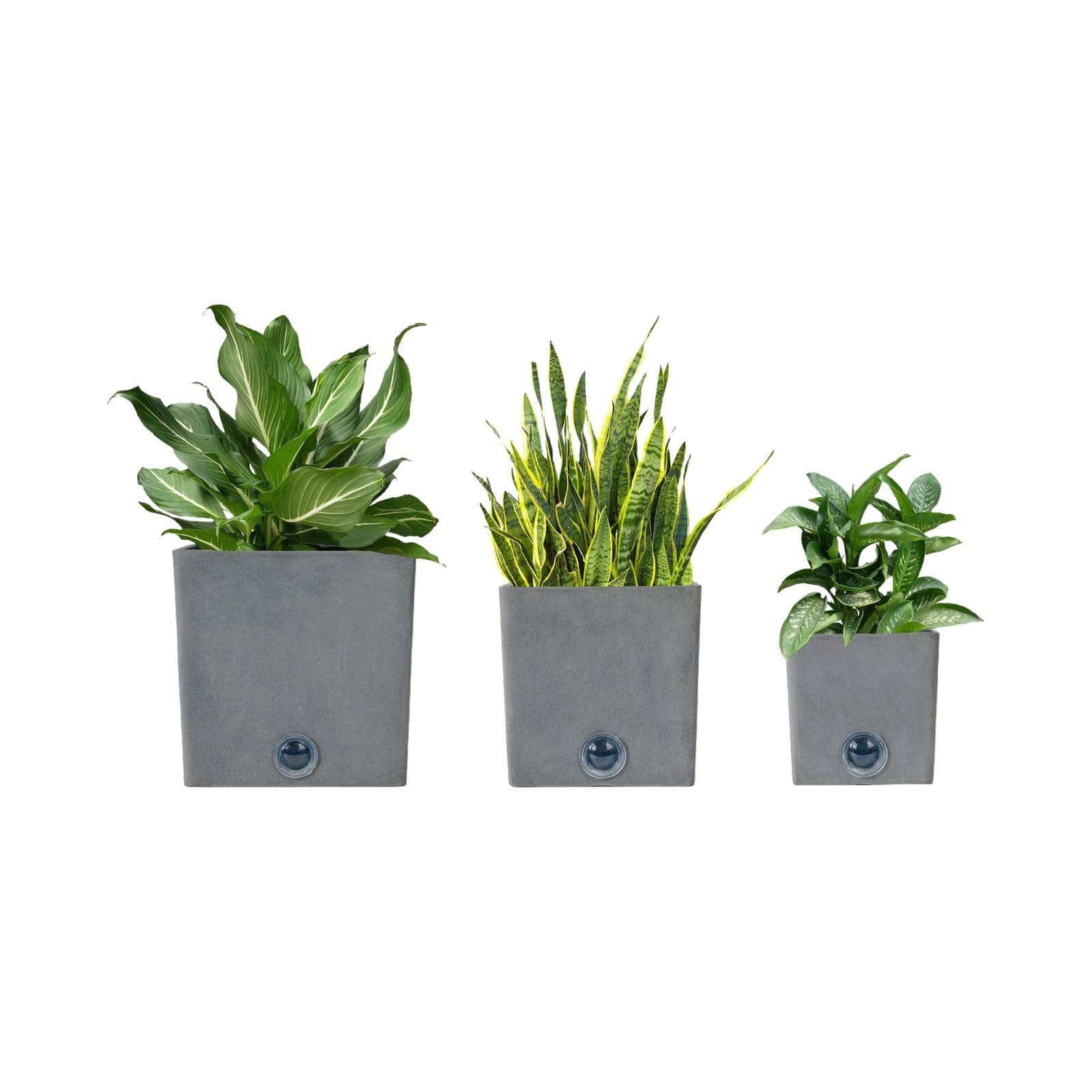
Self-Watering Pot Trio
Three matte-finish sub-irrigation planters with visible water gauges — style that waters your plants for up to three weeks per fill.
 New
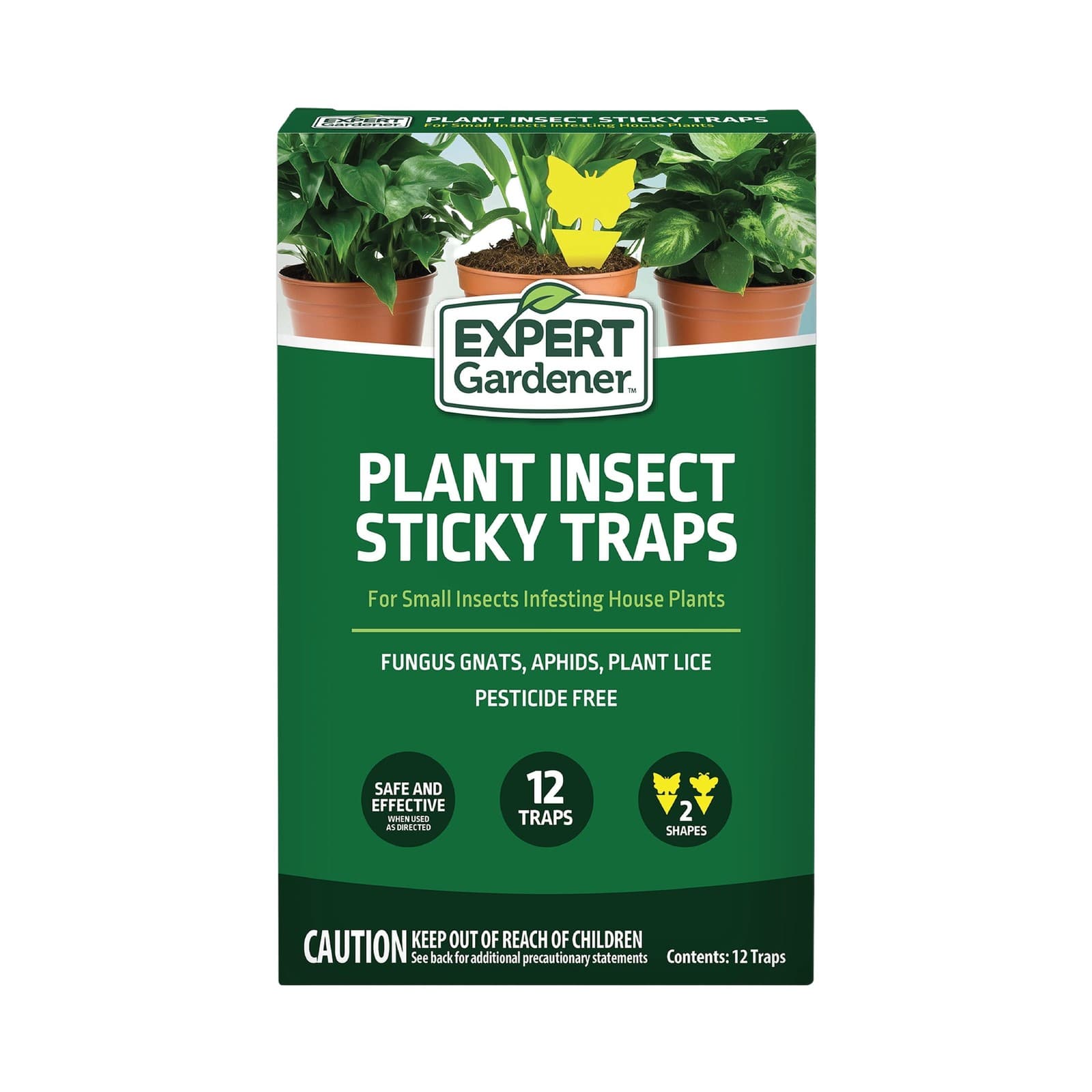
Fungus Gnat Defense Kit
The three-weapon gnat war that actually works: BTI mosquito bits for the larvae, 40 sticky traps for the adults, sand top-dress to block egg-laying — plus the schedule card.
 New
Away 14-Day Vacation Watering Kit
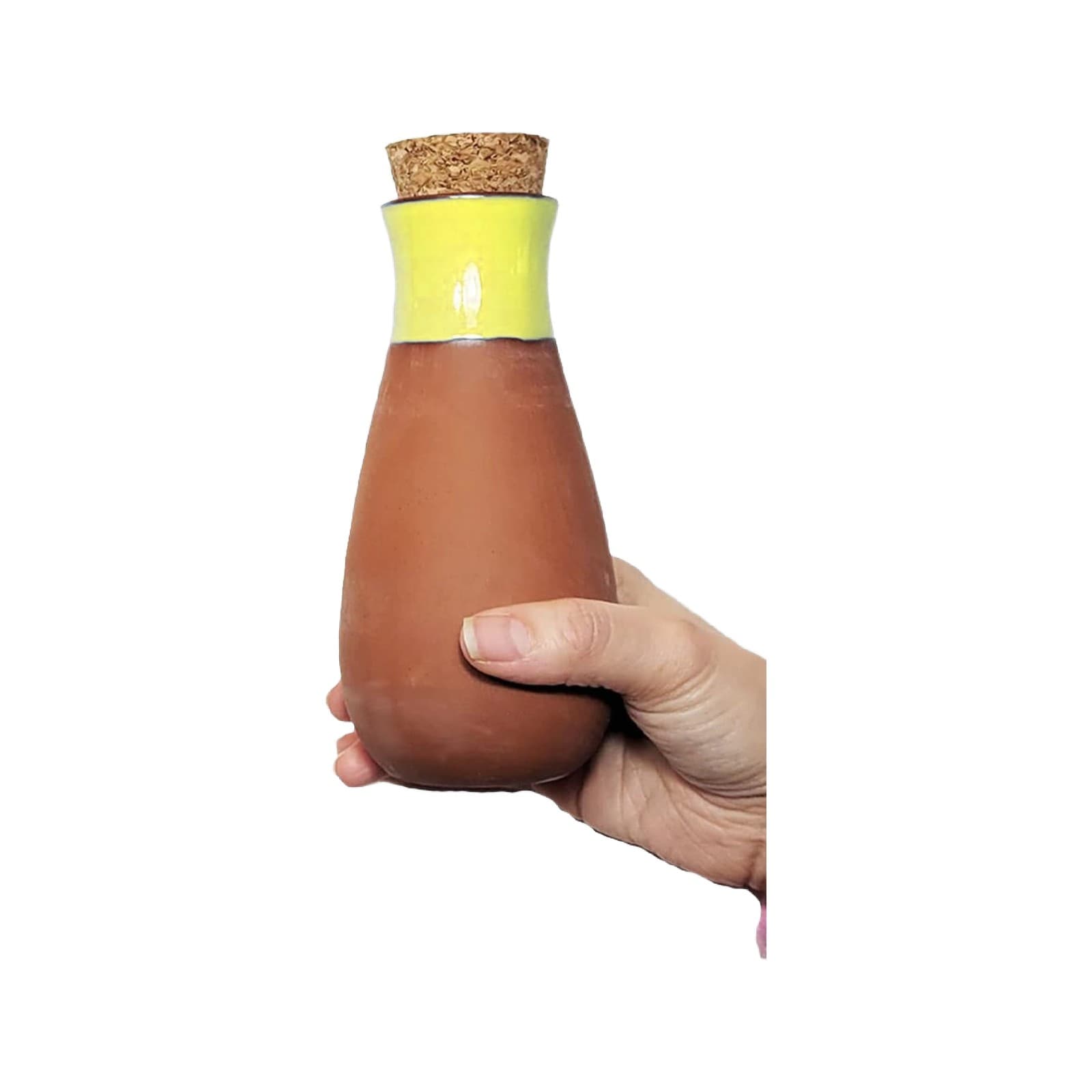
The passive three-tool vacation kit: self-watering globes, terracotta wine-bottle spikes and capillary wicking cord — two weeks of unattended watering with zero electronics.
 New
Heavy-Duty Water Catch Trays (2-Pack)
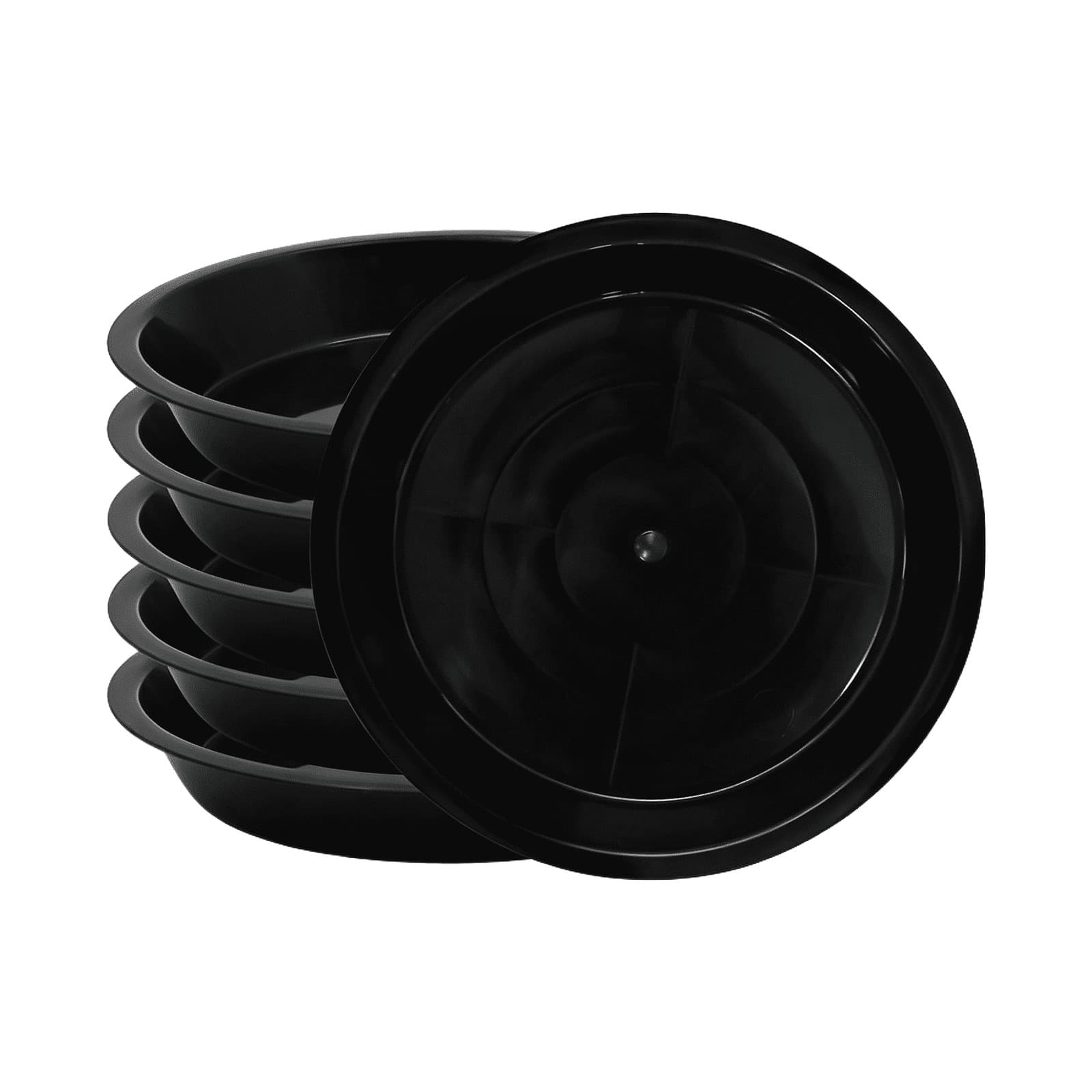
Rigid, exact-fit catch trays for grow bags and large pots — the leak-stopper the fabric-bag crowd keeps asking for, with a ribbed base that doubles as a moisture reservoir.
Bottom-Watering Reservoir Trays (3-Pack) — from $18 · ships worldwide · 30-day money-back guarantee