Seasonal · October
Overwintering Checklist: Bring Your Balcony Plants Inside Without the Bugs
9 min readPublished 2026-10-25Updated 2026-10-25
The way to bring balcony plants inside without bringing the bugs is a three-weekend protocol: weekend one, inspect and quarantine everything in a separate room; weekend two, run the pest stack — sticky traps, a full BTI soil drench, a thorough hose-down of every leaf — while the plants sit quarantined; weekend three, move them into their winter positions with light and watering already adjusted. Every "worried about bringing bugs inside" thread has the same post-mortem: the plant moved in one afternoon, in October, with no quarantine, and the fungus gnats or spider mites colonised the whole flat by December.
Why the panic is justified: a summer outdoors means every pot soil is carrying fungus gnat eggs, every leaf underside is a spider-mite lottery, and aphid eggs ride the stems of anything that flowered. Indoors, there are no ladybirds, no rain, no wind — the predators are gone and the central heating is a breeding accelerator. The outdoor population is balanced; the indoor population is yours alone. Hence the protocol: the goal is not to kill every organism on the plant this afternoon, it is to interrupt every life cycle before the plant shares your air for five months.
Weekend one: inspect and quarantine
- 01Decide what comes in at all. Tender perennials (pelargoniums, fuchsias, chillies, citruses, olive), anything structural you want to keep, and prize foliage plants. Annuals finished for the year compost — do not overwinter a leggy basil; sow fresh in spring.
- 02Prune before inspection: cut each plant back by a third. Less mass means fewer hiding spots, less spider-mite surface, and the plant will re-bush in the low-light months anyway.
- 03Inspect like you mean it: leaf undersides (mite stippling looks like pale sandpaper dots), stem junctions (aphid clusters), soil surface (fungus gnat adults scatter when tapped), and drainage holes (pillbugs, slugs — genuinely, in pots that sat on the ground).
- 04Move everything quarantined into the coolest, brightest separate room you have — a spare room, not the living room. Quarantine is where the pest stack runs, for two full weeks minimum.
Weekend two: the pest stack, in order
- 01Hose-down: blast every leaf — tops and undersides — with a firm spray. Physically removing 80% of mites and aphids beats any spray as a first strike. A shower works for smaller plants; the kitchen sink for cuttings.
- 02BTI soil drench, every pot: the quarantine room is where the fungus gnat eggs in that outdoor soil hatch with no competition. BTI granules in the watering can for the whole two weeks closes the cycle before it starts.
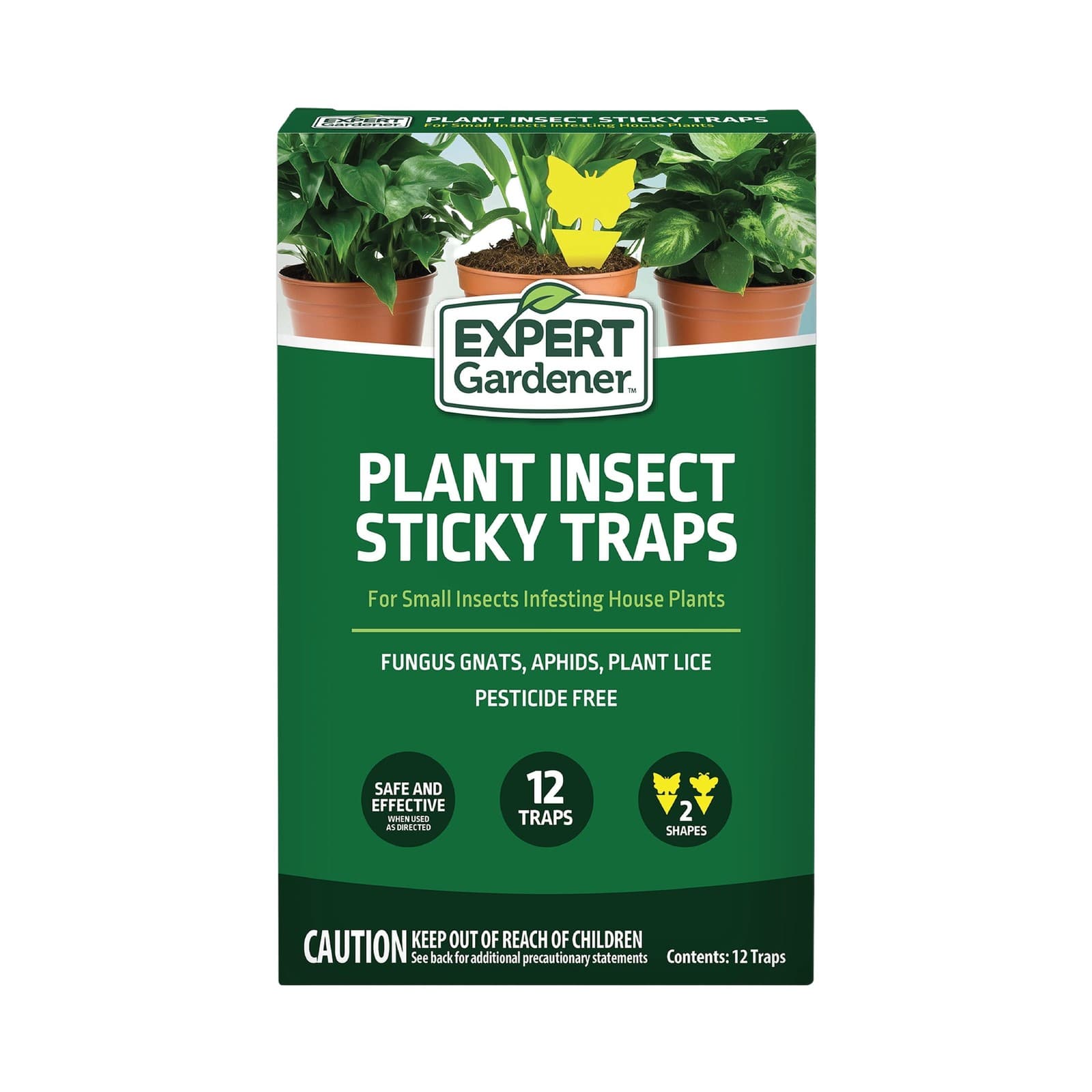
- 03Sticky traps up: one yellow trap per pot catches the emerging adults and doubles as your scoreboard. When the traps stop filling, the quarantine is working.
- 04Targeted follow-ups: persistent mite patches get a repeat hose-down every three days (mites reproduce on a 5–7 day cycle — the repeat is what breaks it). Mealybugs get a cotton-bud of isopropyl alcohol directly on the cluster.
- 05Optional but wise: a 1–2 cm sand or gravel top-dress on every pot as it enters quarantine. Dry mineral cap, no egg-laying surface, no gnats.
The overwintering kit
The plant-by-plant shortlist
| Plant | Bring in? | Winter spot | Watering |
|---|---|---|---|
| Citrus, olive, fig | Yes — frost kills them | Frost-free, brightest sill or unheated 5–10 °C room | Sparse; never waterlogged |
| Pelargoniums, fuchsias | Yes, cut back hard | Cool bright sill or unheated room | Every 2–3 weeks, semi-dormant |
| Chillies and peppers | Yes if you want year two | Brightest sill plus a clip light | Weekly-ish; feed resumes February |
| Herbs in pots | Usually not worth it — sow fresh | Kitchen counter, strongest light | Keep harvesting, keep light 14 h+ |
| Succulents and cacti | Yes, before first frost | Cool bright sill, no grow light | Monthly at most, dry is safe |
| Tropical foliage (monstera, pothos) | They were never outside — check for hitchhikers anyway | Usual spot, quarter-turn weekly | Halve the interval; finger-test first |
| Annuals (basil went leggy, marigolds done) | Compost them | — | — |
Weekend three: the light and water reset
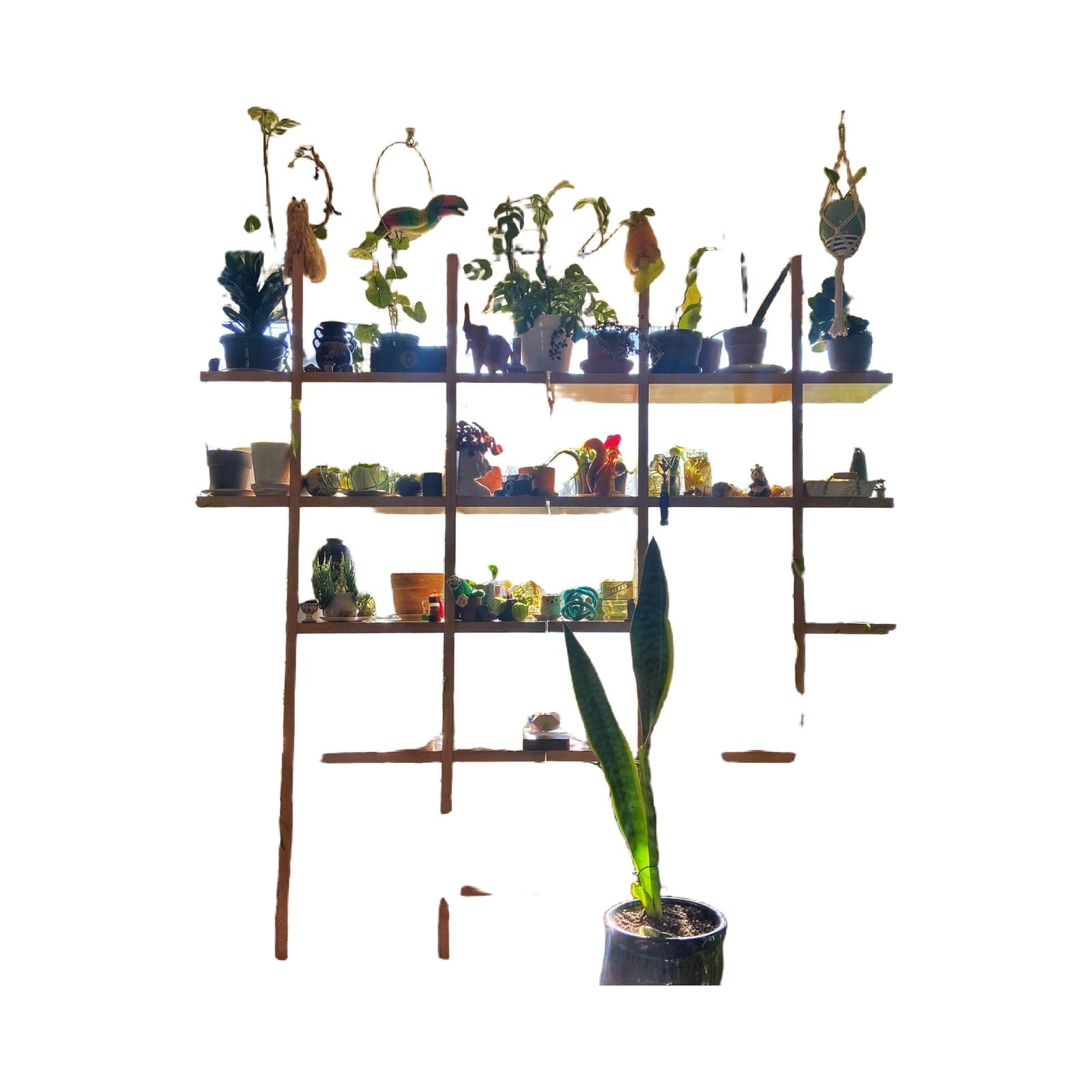
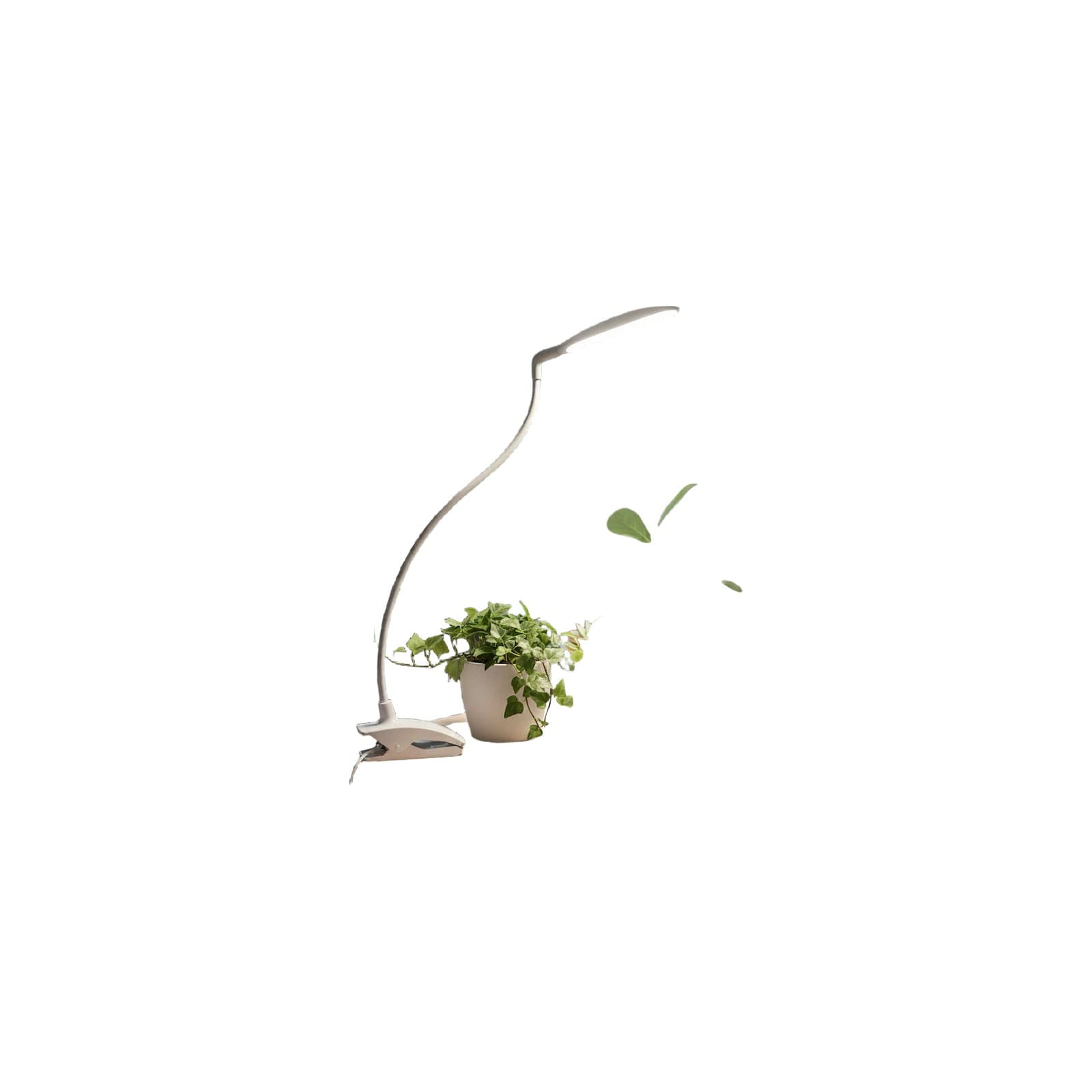
Indoor light in November is a fraction of outdoor light — a south windowsill delivers roughly what open shade did outside. So the winter positions are chosen for light first: the brightest sills for the sun-lovers (citruses, succulents, herbs), the shelf-with-grow-light for everything that will sulk otherwise. A clip light or hidden shelf bar on a 12-hour timer is not a luxury in winter; it is the difference between a plant that holds its leaves and one that defoliates by February. Rotate every pot a quarter-turn weekly, because winter light comes from one direction and plants lean.
Watering resets hardest. Growth slows with the light, so water use drops by half or more, and the "watering day" calendar that worked outside drowns things inside. Water by feel — dry to the first knuckle — and expect the interval to stretch from days to a week or more. Stop feeding entirely: no fertiliser for overwintered plants until February, because fertiliser pushes soft growth the winter light cannot support. Terracotta spikes can stay on the thirstiest pots through holidays — the same vacation logic applies to two weeks of Christmas travel.
The unheated-room option
Not every plant needs the living room. Semi-hardy overwinterers — olives, figs, many pelargoniums — do better in a frost-free unheated room, stairwell or insulated garage between 2 and 10°C: they go semi-dormant, need water only monthly, and carry almost no pest pressure because it is too cold for mites to breed. The classic failure is the opposite: a heated living room keeps them half awake in dim light, and they exhaust themselves by February. Match the room to the plant, not the plant to the sofa.
Winter watering by plant type
The overwintering watering rule is not "less", it is "by demand" — and demand splits cleanly. Semi-dormant cool-room plants (pelargoniums, olives, figs) want barely-damp soil, checked every fortnight. Warm-room foliage in winter light halves its summer intake but never stops; finger-test weekly. Succulents want a drought — a monthly sip at most, and the cooler the room the less they drink. The universal tell is weight: lift each pot after a full water, then lift it before you are about to water again; the difference teaches your hands the schedule faster than any calendar. And keep a saucer or catch tray under everything that overwinters near wood floors or sills — winter windowsills condense, and the tray catches both the pot and the weather.
Holiday travel stacks on top
Overwintering season and holiday season collide: the plants move inside in late October and the first trip away is often December. The systems compose. Cool-room semi-dormants need almost nothing — a monthly check covers a two-week absence. Warm-room foliage takes a spike on a bottle per pot, same as any vacation. Succulents ignore the whole question. The only overlap trap is trays: a pot sitting in a winter catch tray plus a spike can hold a shallow water reserve that turns cold and stagnant — on trips, empty the trays and let the spikes do the work alone, since winter evaporation is slow enough that the metering covers the gap.
The spring exit
Reverse the process after the last frost: a week of shade outside before any sun (indoor leaves burn like tourist skin on day one), the same hose-down going out so nothing indoor-seeded gets a head start, and feeding resumes only when new growth starts. The plants that overwinter well are the ones whose owners treated October as a process, not a moving day — three weekends, one checklist, zero bugs.